

Revolutionize the energy economy with advanced lithium-ion battery technology—lower costs, reduce heat, and accelerate sustainable development.
 Explore all product lines
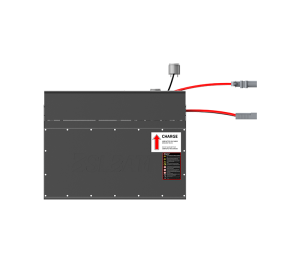
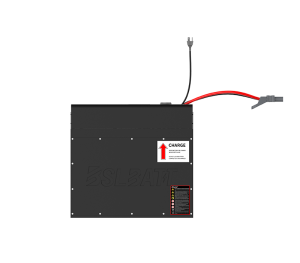
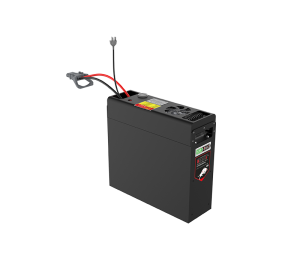
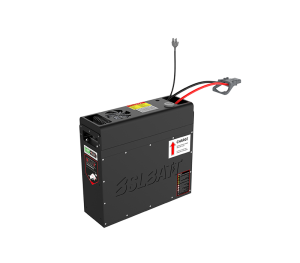
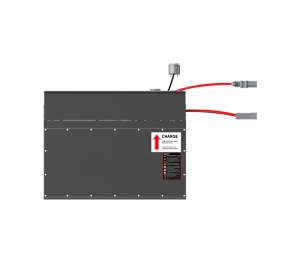
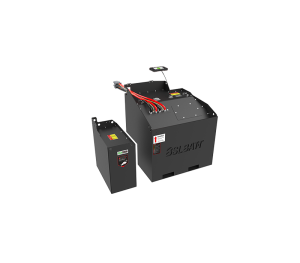
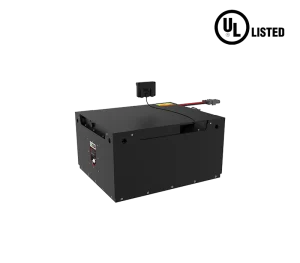
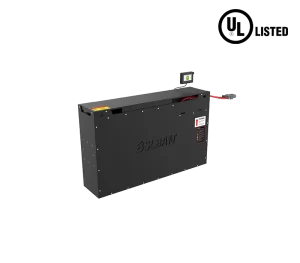
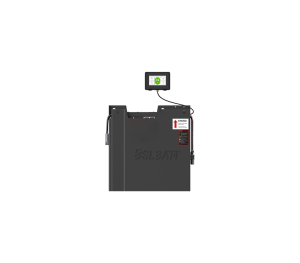
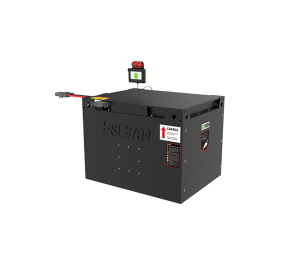
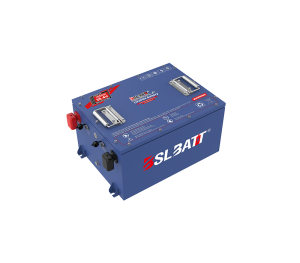
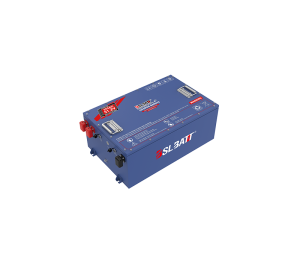
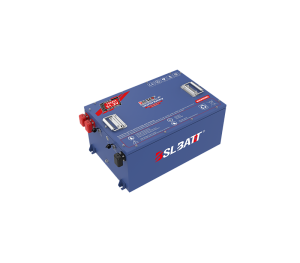
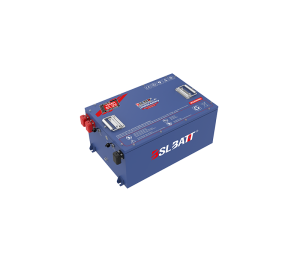
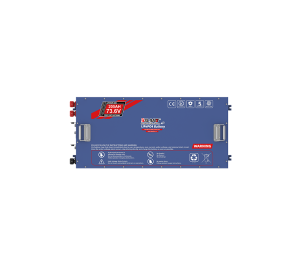
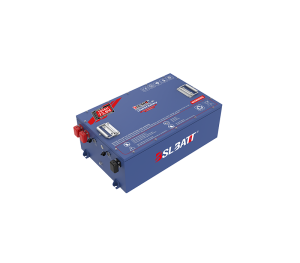
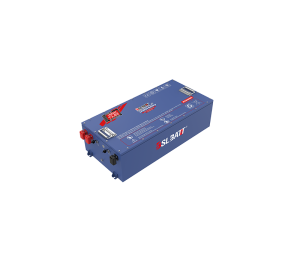
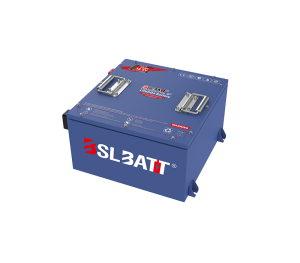
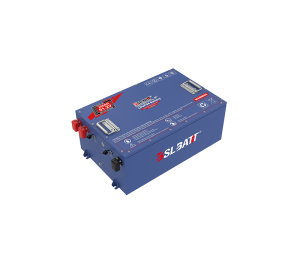
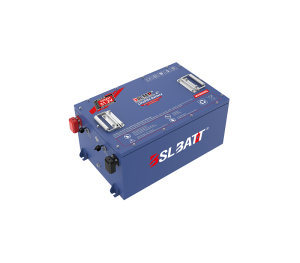
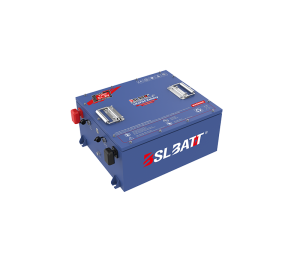
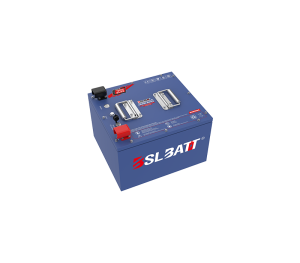
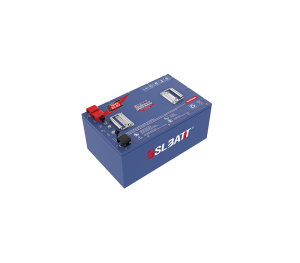


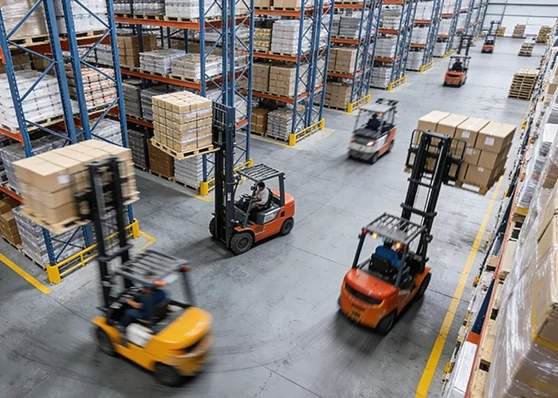




- Specialty Forklift Manufacturers and BSLBATT Lithium Battery Solutions
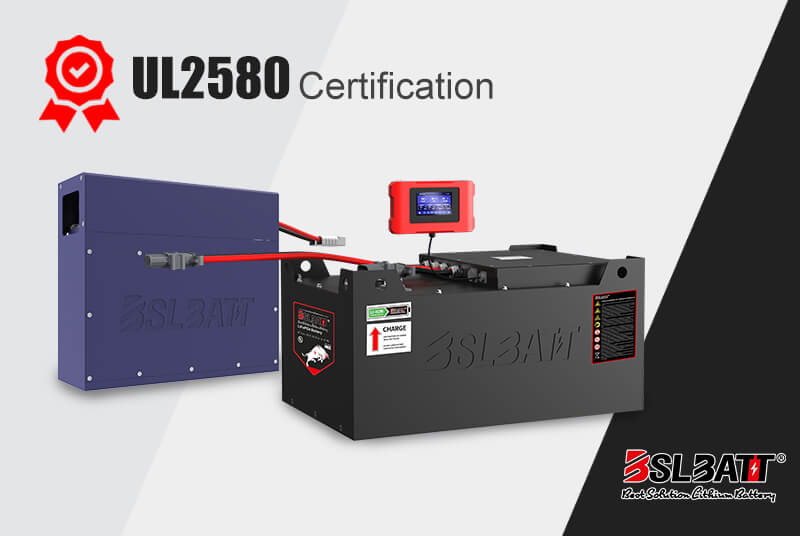
- The first lithium forklift battery that is UL 2580 certified and ISO9001 certified in the industry is BSLBATT® Battery – Industrial
- Automated Lithium Battery Assembly Line | BSLBATT Smart Factory
- Time to Retire Lead-Acid: Why Your Warehouse Needs Lithium-Ion Power
- Lithium Forklift Battery Maintenance Guide 2026
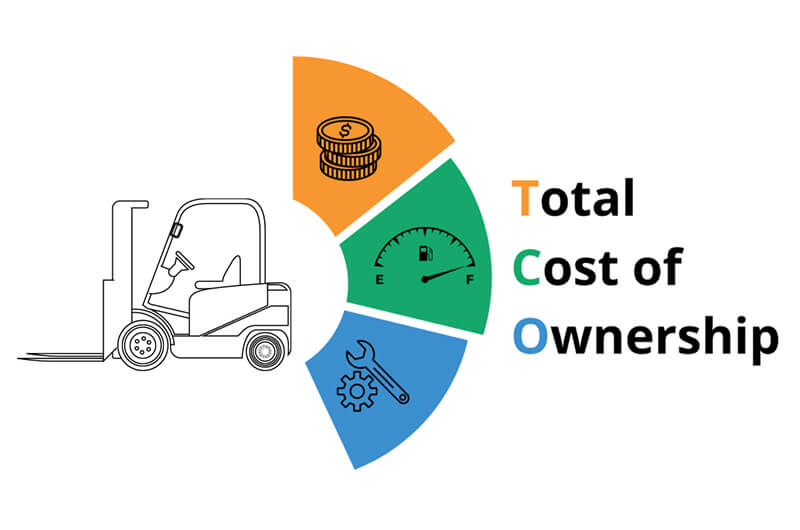
- Industrial Lithium Batteries: Initial Price vs. Long-Term Costs
Forklifts
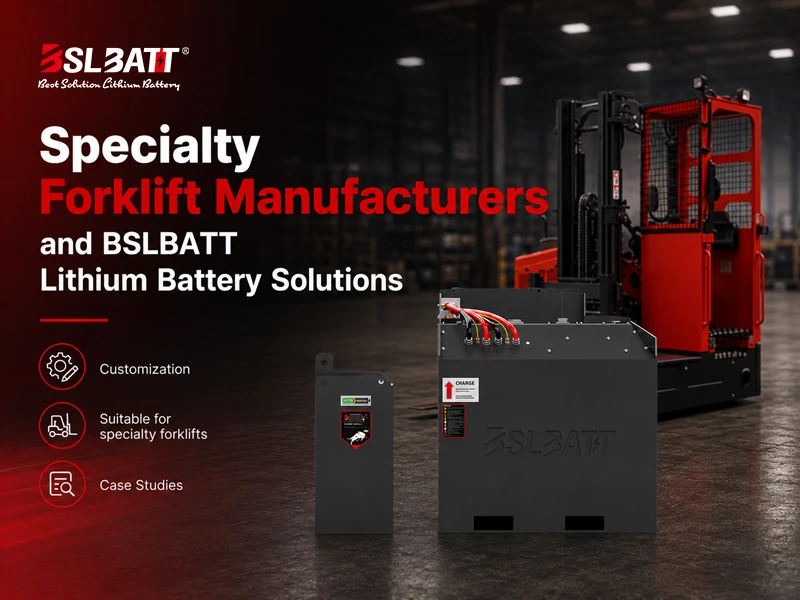
Specialty Forklift Manufacturers and BSLBATT Lithium Battery Solutions
Table of contents
- What Makes a Manufacturer a Specialty Forklift Builder
- Key Categories of Specialty Forklifts
- Narrow-Aisle and Articulated Forklifts
- Multi-Directional and Sideloader Forklifts
- Combilift: The Largest Multi-Directional Forklift Manufacturer
- Aisle-Master: Combilift's Articulated Narrow Aisle Brand
- Baumann: Italy's Leading Sideloader Manufacturer
- Flexi: The United Kingdom's Only Mass Manufacturer of Articulated Trucks
- Hubtex: Germany's Multi-Directional and Custom Vehicle Specialist
- Bulmor: Austria's Sideloader and Multi-Directional Forklift Maker
- Comparing the Six Specialty Forklift Manufacturers
- Why These Manufacturers Are Moving Toward Lithium Power
- BSLBATT Lithium Battery Options for Specialty Forklift Fleets
- Choosing a Lithium Battery Partner Across These Brands
Six manufacturers currently define the global market for non-standard forklifts. Combilift, based in Monaghan, Ireland, is the largest producer of multi-directional and articulated trucks worldwide, with more than 100,000 units sold across 85 countries since 1998. Its sister brand Aisle-Master supplies articulated narrow aisle trucks. Baumann, headquartered in Cavaion, Italy, builds around 400 sideloaders a year and ships to 76 countries. Flexi, made by Narrow Aisle Ltd in the United Kingdom, is the country’s sole mass manufacturer of articulated forklifts, with over 13,500 units in service across 70 countries. Hubtex and Bulmor, both based in the German speaking region of Europe (Fulda, Germany and Perg, Austria), specialize in multi-directional sideloaders for long, heavy and bulky goods in the timber, steel, plastics and automotive sectors.
All six brands increasingly offer or accept lithium-ion battery platforms, and BSLBATT already supplies verified lithium packs compatible with Combilift and Aisle-Master trucks.
The forklift brands shown together in industry directories, Combilift, Aisle-Master, Baumann, Flexi, Hubtex and Bulmor, are not general purpose equipment builders. Each one was founded to solve a specific handling problem that standard counterbalance trucks cannot: narrow aisles, long loads, or multi-directional movement. This article reviews each manufacturer’s background, specialization and typical capacity range, compares them side by side, and explains how lithium battery technology fits into fleets built around these brands.
What Makes a Manufacturer a Specialty Forklift Builder
A specialty forklift manufacturer designs trucks around one handling constraint rather than a general product line. This usually means an articulated steering system, a sideways moving mast, or a chassis built for loads that a standard forklift cannot turn with, such as timber, pipe or sheet metal.
These manufacturers tend to be smaller and more focused than mass market forklift brands. Combilift, Baumann, Flexi, Hubtex and Bulmor each concentrate on one or two truck families, and most report exporting the majority of their production, since demand for this equipment is spread thinly across many countries rather than concentrated in one domestic market.
Key Categories of Specialty Forklifts
Narrow-Aisle and Articulated Forklifts
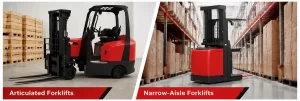
Articulated forklifts are designed to navigate ultra-narrow aisles through a pivot mechanism between the front and rear sections of the truck. This configuration allows the mast to rotate independently, enabling the truck to pick and place loads without turning the entire vehicle.
Operational Benefits:
- Aisle Width Reduction: A conventional counterbalance forklift typically requires an aisle width of 3.6 meters. Articulated trucks, such as those produced by Flexi Narrow Aisle, can operate effectively in aisles as narrow as 1.6 meters.
- Storage Density Increase: By reducing the required aisle width, warehouses can increase racked storage density by up to 50%.
- Fleet Consolidation: A single articulated truck can replace the need for separate counterbalance and reach trucks, as it can operate both indoors and outdoors.
| Feature | Articulated Forklift | Counterbalance / Reach Truck |
|---|---|---|
| Typical Aisle Width | 1.6 m | 3.6 m |
| Storage Density Change | Up to +50% | Baseline |
| Indoor/Outdoor Operation | Supported | Often Limited |
| Fleet Complexity | Lower | Higher |
Multi-Directional and Sideloader Forklifts
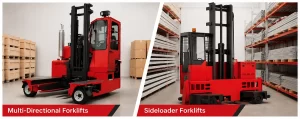
Multi-directional forklifts are engineered to move in multiple directions, including forward, backward, and laterally. This feature is critical for handling long, bulky loads such as timber, steel bars, and pipes. Sideloaders, a major subcategory of multi-directional trucks, feature forks mounted on the side of the chassis and are specifically designed for transporting extra-long materials.
Market Context:
The global multi-directional forklift market was valued at USD 1.5 billion in 2024 and is projected to grow to USD 2.73 billion by 2033, at a CAGR of 6.9%.
Combilift is a dominant player in this segment, offering multi-directional trucks that combine the features of a counterbalanced forklift, sideloader, and very narrow aisle (VNA) truck in one vehicle.
Titan Forklifts offers the TQZ multi-directional reach truck, which features a side-seated design with three independent steering wheels for exceptional maneuverability in tight spaces.
Combilift: The Largest Multi-Directional Forklift Manufacturer
Combilift is the world’s largest manufacturer of multi-directional, sideloading and articulated forklifts, founded in 1998 in Monaghan, Ireland. The company introduced the first all-wheel-drive multi-directional forklift the same year, a design that let a single truck combine the roles of a counterbalance forklift, a sideloader and a narrow aisle truck.
Today Combilift employs more than 800 people at its 46,500 square metre Monaghan facility and has sold over 100,000 units across more than 85 countries, with exports accounting for roughly 98 percent of production. The company reinvests around 7 percent of annual revenue into research and development, a figure that supports a broad product range including the C-series multi-directional forklift, heavy duty sideloaders, straddle carriers and container handling equipment.
Aisle-Master: Combilift’s Articulated Narrow Aisle Brand
Aisle-Master is Combilift’s dedicated articulated forklift brand, built specifically for very narrow aisle operation rather than long load handling. The trucks use a front wheel steered, front wheel drive layout that allows the mast to pivot inside the chassis instead of requiring the whole vehicle to turn.
This steering method lets an Aisle-Master truck work in an aisle roughly half the width needed by a standard reach truck, while still handling conventional pallets rather than the long or oversized loads typical of Combilift’s multi-directional range. Because Aisle-Master shares engineering and manufacturing resources with Combilift, fleets running both brands can often standardize on the same battery platform and service network.
Baumann: Italy’s Leading Sideloader Manufacturer
Baumann is one of the world’s largest dedicated sideloader manufacturers, producing roughly 400 units a year at its factory in Cavaion Veronese, near Verona, Italy. The company traces its roots to 1967, when it began building sideloaders for the timber industry, and now exports through 106 dealers in 76 countries.
Baumann’s current range spans a load capacity of 3 to 50 tonnes, with the largest model, the GXS 500, fitted with a spreader for handling shipping containers. Electric models now represent more than 70 percent of Baumann’s manufacturing capacity, a shift the company has pursued as sideloader customers in the auto, steel and plastics industries move away from diesel power for indoor and mixed-use operations.
Flexi: The United Kingdom’s Only Mass Manufacturer of Articulated Trucks
Flexi, produced by Narrow Aisle Ltd, is described by its own trade association listing as the last sole mass manufacturer of articulated forklift trucks in the United Kingdom. The company has operated from the same Black Country factory since 1976 and launched the original Flexi articulated truck in 1990.
Since that launch, Narrow Aisle has supplied more than 13,500 Flexi trucks to customers in over 70 countries, backed by an annual research and development budget above 1.5 million British pounds. Flexi trucks can operate in aisles as narrow as 1.6 metres in the European range, and the company states this can raise a warehouse’s storage capacity by up to 50 percent compared with a conventional layout.
Hubtex: Germany’s Multi-Directional and Custom Vehicle Specialist
Hubtex Maschinenbau, founded in 1981 in Fulda, Germany, builds multi-directional forklifts and custom-engineered industrial trucks for long, heavy and bulky goods. The company describes its role as starting where standard forklift manufacturers end, focusing on cases that a conventional truck cannot handle safely.
Hubtex employs roughly 450 people at its Fulda production site and operates as part of the wider Hubtex Group, which also includes Genkinger, stabau and DIMOS. Its trucks are used in sectors such as wood and plastics processing, automotive manufacturing and aviation, including a documented multi-directional tool changer built for a Volkswagen plant in Wolfsburg for moving injection moulding tools.
Bulmor: Austria’s Sideloader and Multi-Directional Forklift Maker
Bulmor Industries, based in Perg, Austria, produces sideloaders, multi-directional sideloaders and special purpose lifting trucks with more than 40 years of combined experience drawn from sideloader pioneers including JUMBO, Irion, Lancer and the German brand SHS. The company’s roots go back to 1879 as a machinery and engine manufacturer, before shifting focus to sideloaders in the 1980s.
Bulmor employs around 125 people and operates branches in Germany, the Netherlands and the United Kingdom. Its standard range covers sideloaders from 3 to 20 tonnes and multi-directional sideloaders from 2 to 12 tonnes, serving the timber, steel, plastics and automotive industries, with a heavy line extending payloads up to 80 tonnes for specialized projects.
Comparing the Six Specialty Forklift Manufacturers
The table below summarizes headquarters location, founding year, core specialization and typical load capacity for each brand.
| Manufacturer | Headquarters | Founded | Core Specialization | Typical Capacity Range |
|---|---|---|---|---|
| Combilift | Monaghan, Ireland | 1998 | Multi-directional, sideloading, articulated | 2.5 to 6+ tonnes (C-series) |
| Aisle-Master | Monaghan, Ireland | Combilift subsidiary | Articulated very narrow aisle | Standard pallet capacities |
| Baumann | Cavaion Veronese, Italy | 1967 | Sideloaders | 3 to 50 tonnes |
| Flexi | Staffordshire, UK | 1976 (Flexi launched 1990) | Articulated very narrow aisle | Standard pallet capacities |
| Hubtex | Fulda, Germany | 1981 | Multi-directional, custom vehicles | Project dependent, includes heavy custom builds |
| Bulmor | Perg, Austria | 1980s (sideloader focus) | Sideloaders, multi-directional sideloaders | 2 to 80 tonnes (heavy line) |
Across these six brands, two design philosophies stand out. Combilift, Aisle-Master and Flexi concentrate on aisle width reduction through articulated steering, while Baumann, Hubtex and Bulmor concentrate on long and heavy load handling through sideloading and multi-directional wheel systems. Many industrial facilities that handle both tight aisles and long stock materials operate equipment from more than one of these manufacturers at the same time.
Why These Manufacturers Are Moving Toward Lithium Power
Specialty forklifts from these six manufacturers typically run in multi-shift, high-utilization environments where downtime is costly. Baumann alone now builds more than 70 percent of its equipment as electric models, and Combilift reports that over 90 percent of its range is fully electric, reflecting how far battery powered operation has replaced diesel and LPG across this category.
Lithium-ion batteries suit this shift because they allow opportunity charging during short breaks, without the equalizing charge cycle lead-acid batteries require. This is especially relevant for articulated and multi-directional trucks, where the compact chassis of an Aisle-Master or Flexi truck, or the custom-built frame of a Hubtex or Bulmor sideloader, leaves limited room for a spare battery or swap station on site.
BSLBATT Lithium Battery Options for Specialty Forklift Fleets
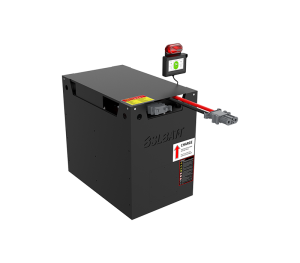
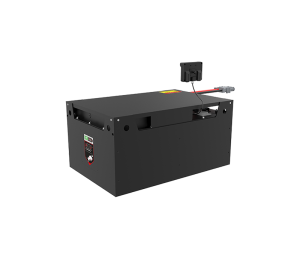
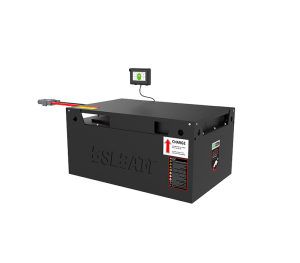
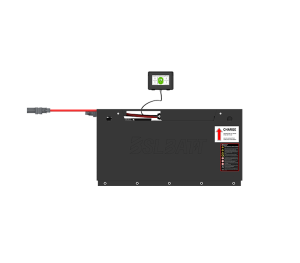
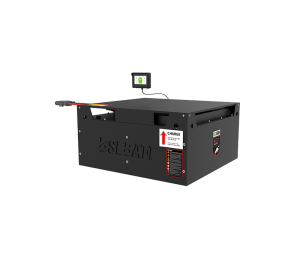
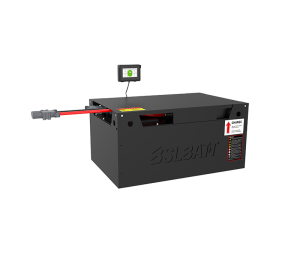
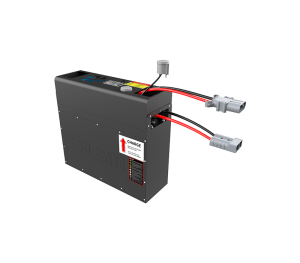
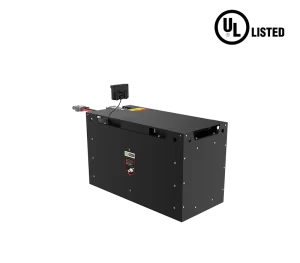
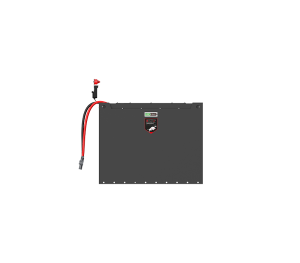
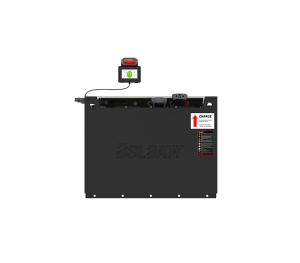
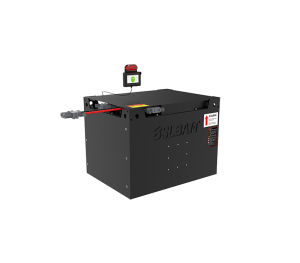
BSLBATT supplies verified lithium-ion battery packs for Combilift and Aisle-Master electric forklifts, with full communications integration across the Combilift electric truck line. The plug-and-play design keeps the original state of charge indicator and low battery warning system fully functional after installation, so operators do not lose the dashboard information they rely on during a shift.
This compatibility extends to BSLBATT’s broader product catalogue, which covers electric material handling equipment across classes 1 through 3, including narrow aisle forklifts, 3 and 4 wheel trucks, large turret trucks and multi-directional models such as the Combilift C8000. For Aisle-Master units running frequent multi-shift cycles, BSLBATT’s lithium packs are built to accept high recharge rates without the degradation that repeated partial charging causes to lead-acid cells.
Choosing a Lithium Battery Partner Across These Brands
A facility running equipment from more than one of these six manufacturers should confirm battery compatibility at the model level rather than assume a single voltage standard applies across all of them. Combilift and Aisle-Master trucks commonly run on 48V or 80V platforms depending on model, while Baumann, Hubtex and Bulmor sideloaders often use custom battery box dimensions built around their specific chassis.
Standardizing on one lithium supplier that documents compatibility across the truck types in use reduces the number of chargers and connectors a maintenance team must manage. BSLBATT’s existing integration record with Combilift and Aisle-Master gives fleet operators a practical starting point for consolidating battery sourcing across a mixed specialty forklift fleet.
Contact BSLBATT to get a list of current projects and lithium-ion battery solutions for your specialty forklifts!
Related Product Recommendations
-
51.2V 840AH
Forklift Lithium Battery Price for Irregular Shapes | BSLBATT
Learn More -
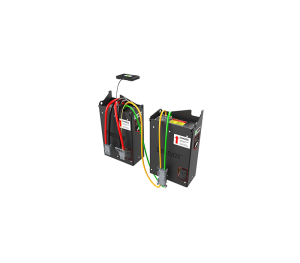
25.6V 300AH
Forklift Battery Pack for Irregular Compartments | BSLBATT
Learn More -
72V 410AH
Industrial Batteries for Forklifts Custom Shapes | BSLBATT
Learn More -
38.4V 1120AH
Lithium Ion Batteries for Forklifts 1120Ah 36V | BSLBATT
Learn More