

Revolutionize the energy economy with advanced lithium-ion battery technology—lower costs, reduce heat, and accelerate sustainable development.
 Explore all product lines
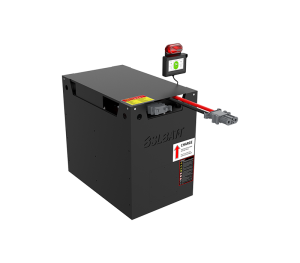
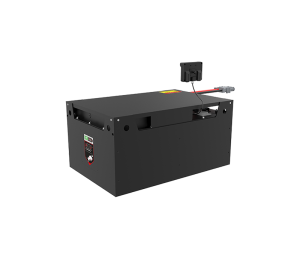
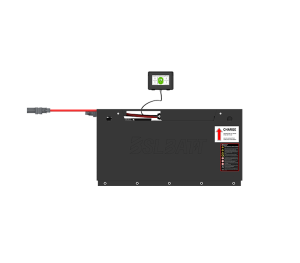
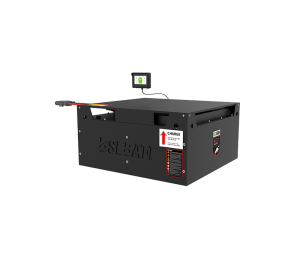
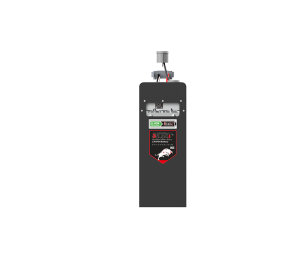
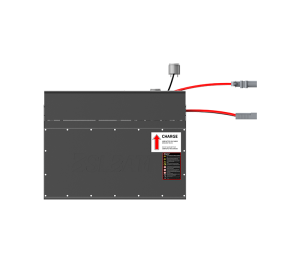
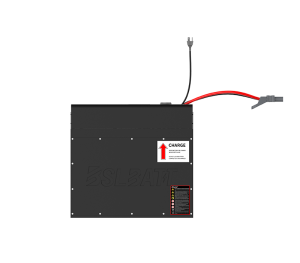
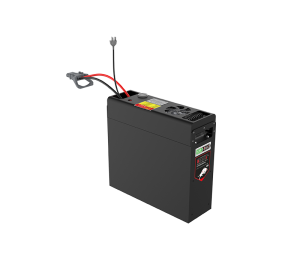
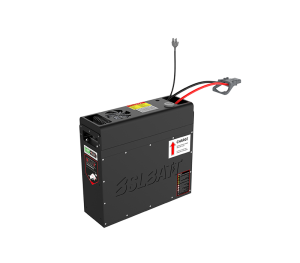
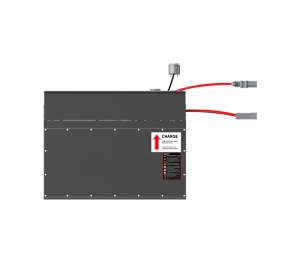
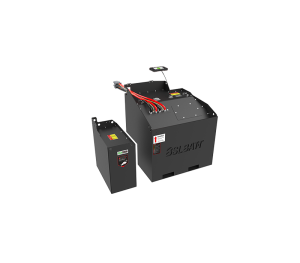
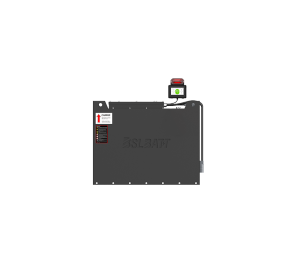
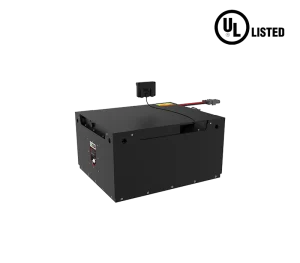
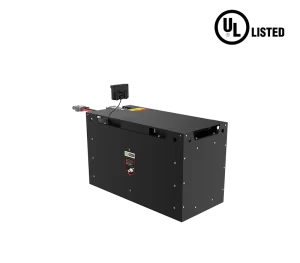
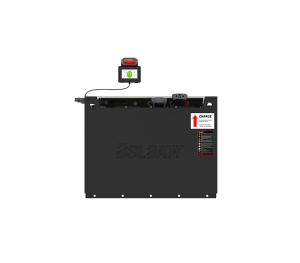
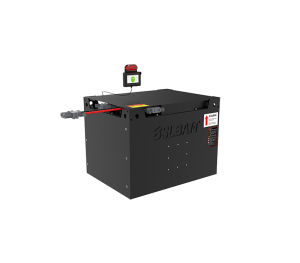
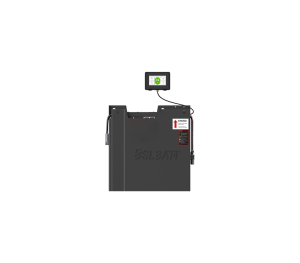
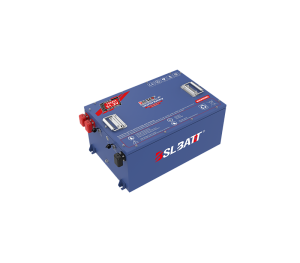
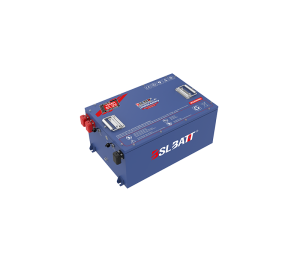
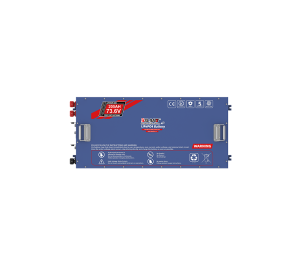
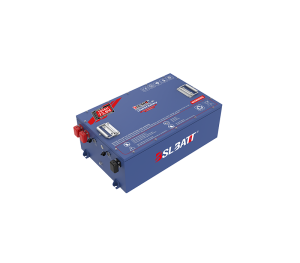
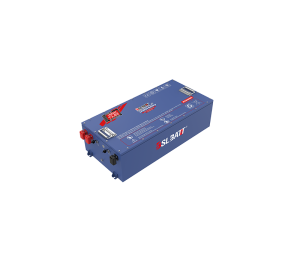
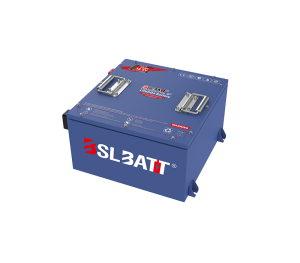
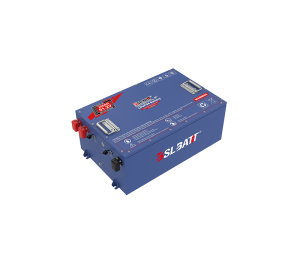
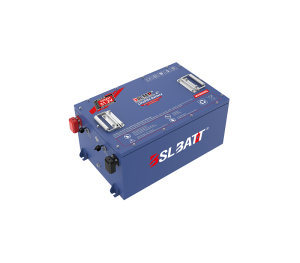
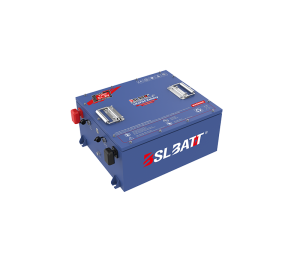
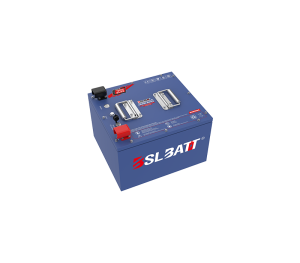
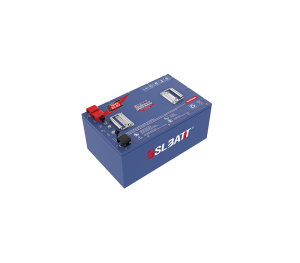
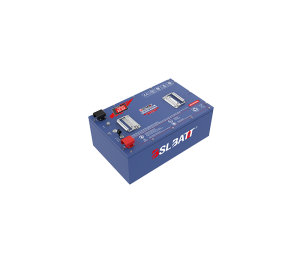
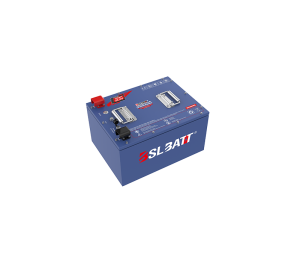
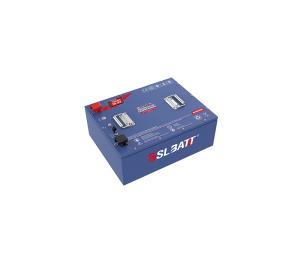
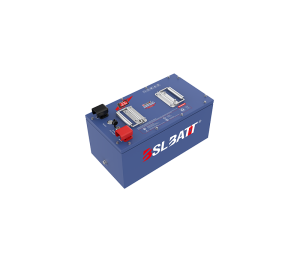
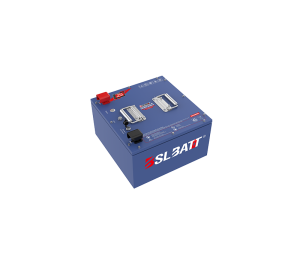
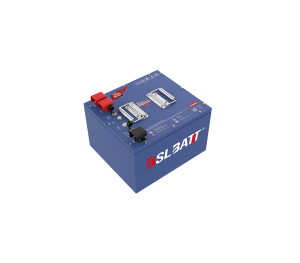
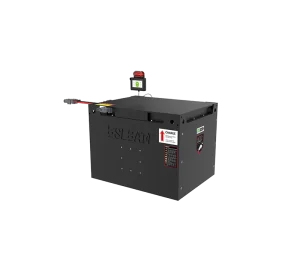
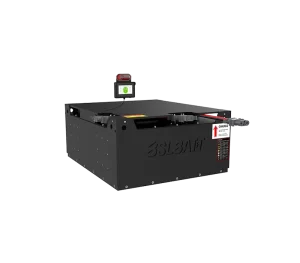


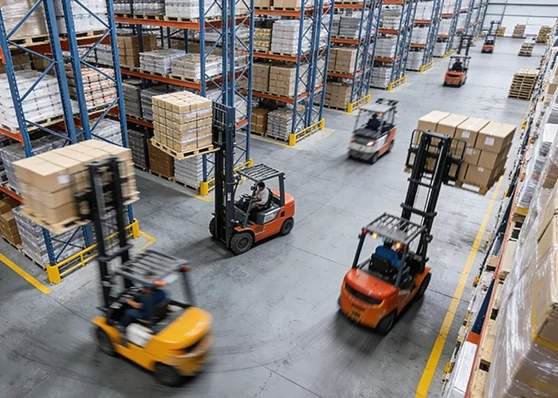
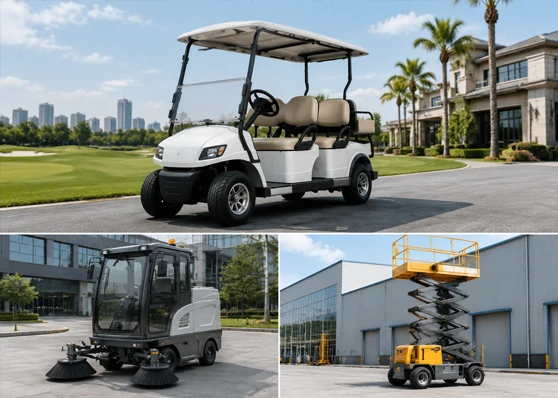

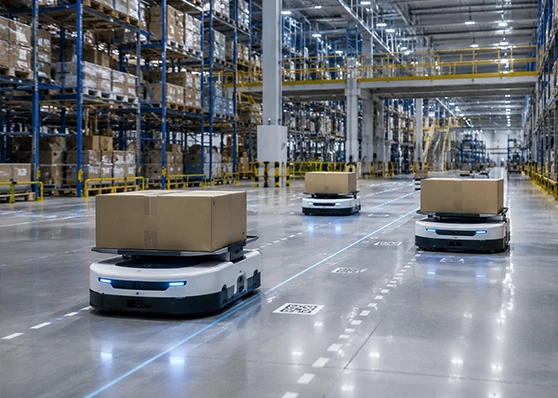
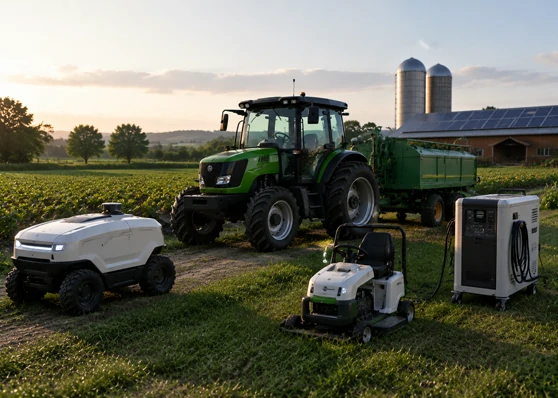





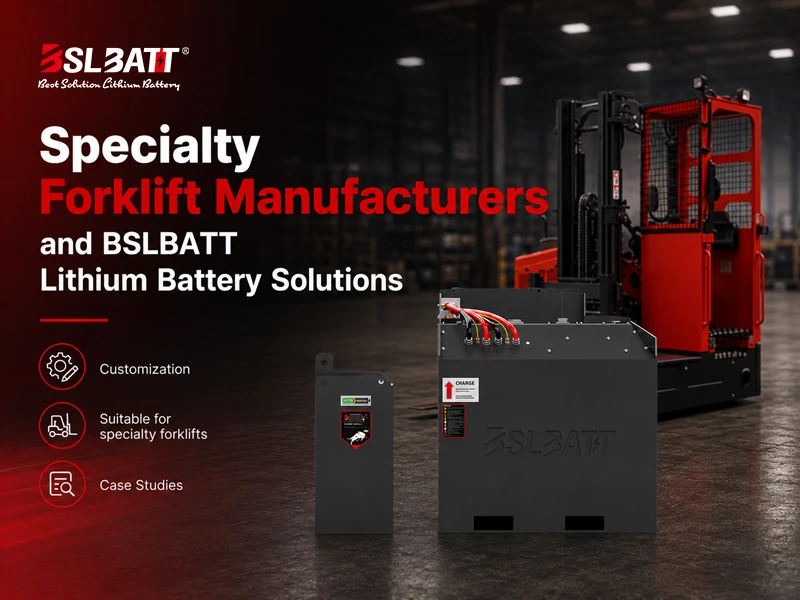
- Specialty Forklift Manufacturers and BSLBATT Lithium Battery Solutions
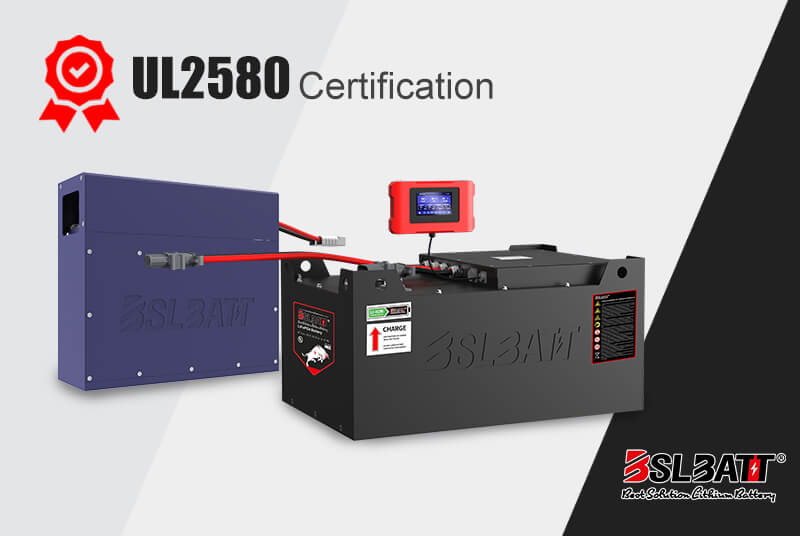
- The first lithium forklift battery that is UL 2580 certified and ISO9001 certified in the industry is BSLBATT® Battery – Industrial
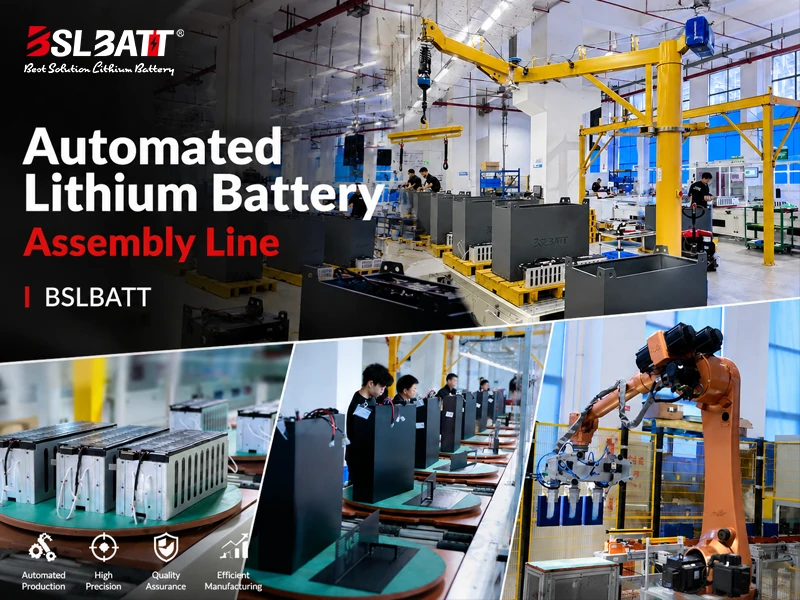
- Automated Lithium Battery Assembly Line | BSLBATT Smart Factory
- Time to Retire Lead-Acid: Why Your Warehouse Needs Lithium-Ion Power
- Lithium Forklift Battery Maintenance Guide 2026
- Industrial Lithium Batteries: Initial Price vs. Long-Term Costs
Forklifts
Why Cold Storage Logistics are Switching to BSLBATT LiFePO4 Batteries: The Ultimate Guide
Table of contents
- 1. The "Cold Wall": Why Standard Batteries Fail
- 2. BSLBATT’s Core Technology: Mastering the Sub-Zero Zone
- Integrated Internal Heating Systems
- Intelligent BMS (Battery Management System)
- High-Grade IP67 Waterproofing
- 3. Economic Impact: ROI in Cold Storage Operations
- 4. Application Excellence: From Pharma to Frozen Food
- 5. Frequently Asked Questions (FAQ)
- Conclusion: Power That Never Freezes
- Ready to Upgrade Your Fleet?
In industries like cold storage logistics, pharmaceuticals, and food processing, equipment must perform reliably under extreme conditions. However, traditional batteries often struggle in refrigerated environments—sluggish discharge, reduced capacity, and charging risks can freeze operations in more ways than one.
As the industry moves toward automation and higher throughput, lithium-ion (Li-ion) forklift batteries have emerged as the gold standard. Specifically, BSLBATT’s LiFePO4 batteries are engineered to thrive where others falter.
1. The “Cold Wall”: Why Standard Batteries Fail
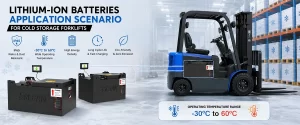
To understand the value of forklift lithium batteries for cold storage, we must first look at the science. In temperatures below 0°C:
Electrolyte Viscosity: In lead-acid batteries, the liquid electrolyte becomes viscous, slowing down chemical reactions and causing a massive drop in voltage.
The Charging Paradox: Charging a battery in the cold without protection causes “Lithium Plating.” This creates microscopic dendrites that can puncture the separator, leading to internal short circuits and permanent capacity loss.
Condensation & Corrosion: The transition between a -25°C freezer and a 20°C charging room causes internal condensation, the silent killer of electronic components.
2. BSLBATT’s Core Technology: Mastering the Sub-Zero Zone
Integrated Internal Heating Systems
BSLBATT LiFePO4 batteries aren’t just “wrapped” in insulation. They feature an integrated, BMS-controlled heating film.
How it works: When the battery is plugged into a charger in a cold environment, the BMS first directs power to the internal heating elements.
The Result: Only when the internal cell temperature reaches a safe threshold (e.g., 5°C) does the actual charging begin. This protects the cell chemistry and ensures a 100% state of charge every time.
Intelligent BMS (Battery Management System)
Our proprietary BMS is specifically calibrated for cold-weather chemistry. It monitors temperature sensors across multiple points in the pack to:
Automatically adjust discharge limits to prevent cell “sag.”
Communicate with the forklift’s controller to ensure consistent torque and lifting speed.
Provide real-time data via GPRS/Wi-Fi, so fleet managers can monitor battery warmth from a remote dashboard.
High-Grade IP67 Waterproofing
To combat the condensation common in meat processing and frozen food transport, BSLBATT batteries feature reinforced seals and moisture-resistant casings, preventing short circuits and extending the hardware’s lifespan.
3. Economic Impact: ROI in Cold Storage Operations
Switching to BSLBATT forklift lithium batteries isn’t just a technical upgrade; it’s a financial strategy.
The Bottom Line: By eliminating the need for spare batteries and dedicated battery rooms, cold storage facilities typically see a Return on Investment (ROI) within 12-18 months.4. Application Excellence: From Pharma to Frozen Food
BSLBATT’s range of 24V, 36V, 48V, and 80V systems are validated for:
Pharmaceutical Logistics: Maintaining strict uptime for temperature-sensitive medicine.
Meat & Seafood Processing: Withstanding high humidity and frequent wash-downs.
Third-Party Logistics (3PL): Enabling 24/7 multi-shift operations through rapid opportunity charging during breaks.
5. Frequently Asked Questions (FAQ)
Q1: Can I use a standard LiFePO4 battery in a -20°C freezer?
Not recommended. Without an integrated heating system and a specialized BMS, a standard lithium battery will likely refuse to charge or suffer permanent damage. Always look for “Cold Storage Specific” models.
Q2: How does opportunity charging work in cold environments?
With BSLBATT, operators can plug in the forklift during a 15-minute coffee break. The self-heating system maintains the core temperature, allowing the battery to take a quick “sip” of energy, eliminating the need to swap batteries between shifts.
Q3: Is LiFePO4 safer than other Lithium-ion chemistries in warehouses?
Yes. Lithium Iron Phosphate (LiFePO4) is chemically stable and has a much higher thermal runaway threshold compared to NMC or Cobalt-based batteries, making it the safest choice for indoor material handling.
Conclusion: Power That Never Freezes
Reliability in cold environments isn’t just about battery performance—it’s about operational continuity, worker safety, and total cost of ownership. Downtime in a -25°C warehouse is an expensive failure. With BSLBATT, you get a power solution that’s as resilient as your business.
Ready to Upgrade Your Fleet?
Related Product Recommendations
-
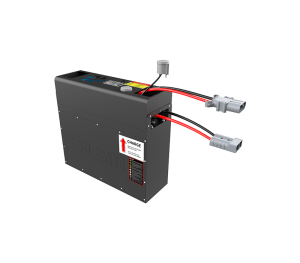
25.6V 100AH
24V Forklift Lithium Battery 100Ah Compact Energy Solution | BSLBATT
Learn More -
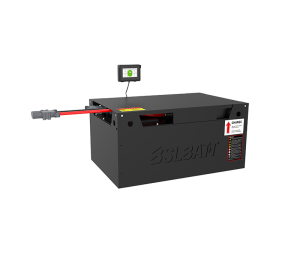
51.2V 336AH
48 Volt Forklift Battery Powerful 336Ah Lithium-ion Solution | BSLBATT
Learn More -
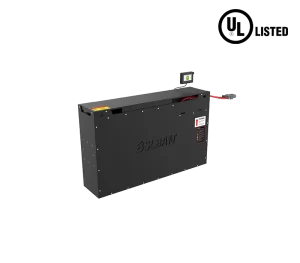
51.2V 460AH Lithium Forklift Battery
48V Forklift Battery for Sale UL Certified IP65 460Ah Lithium | BSLBATT
Learn More -
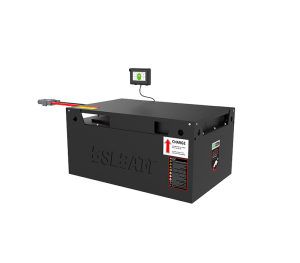
51.2V 504AH
48V Industrial Forklift Batteries Massive 504Ah Lithium Powerhouse | BSLBATT
Learn More -
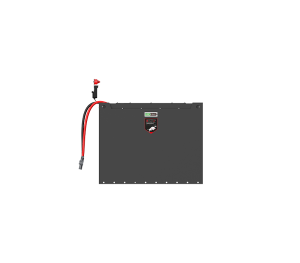
83.2V 1380AH
80V Forklift Battery 1380Ah for Heavy-Duty Use | BSLBATT
Learn More