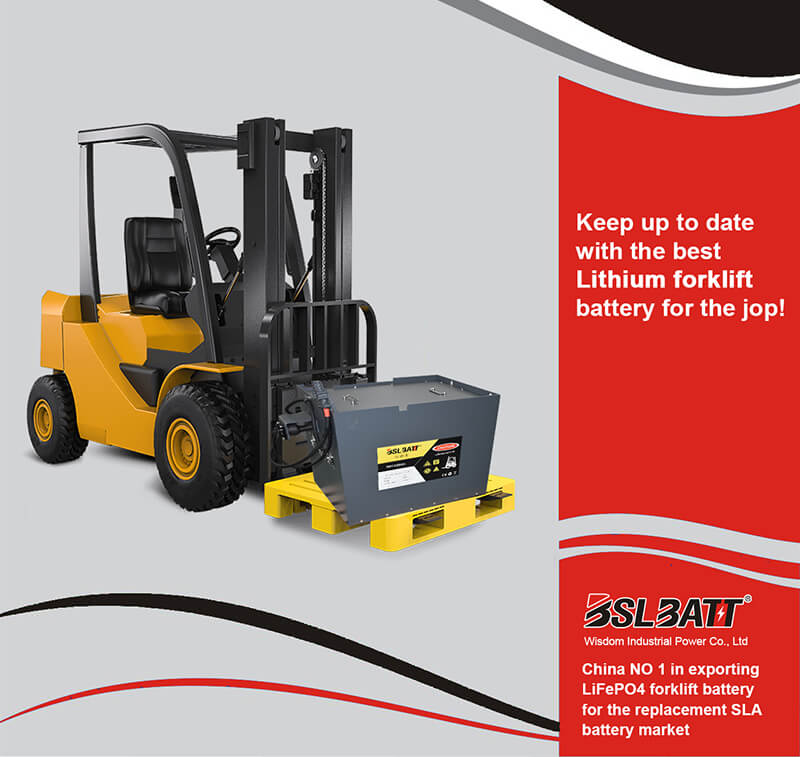
Multi-directional forklifts, sideloader forklifts and articulated forklifts from brands such as Combilift, Aisle Master, Flexi, Bulmor and Hubtex all depend on a power source that can deliver consistent voltage across long shifts in narrow aisles and long-load applications. BSLBATT lithium forklift batteries replace the lead acid batteries built into these specialty trucks with a drop-in lithium iron phosphate solution that charges in one to two hours instead of eight, delivers 3000 to 5000 charge cycles compared with roughly 1500 for lead acid, and removes watering, equalizing and acid handling from daily maintenance routines. For fleets running Combilift C-Series multi-directional trucks, Aisle Master and Flexi articulated forklifts, or Bulmor and Hubtex sideloaders, switching to a 24V, 36V, 48V or 80V BSLBATT lithium pack extends daily operating hours, reduces total cost of ownership and supports opportunity charging between shifts.
Specialty forklifts occupy a specific niche in warehouse and yard operations. Unlike standard counterbalance trucks, models built by Combilift, Aisle Master, Flexi, Bulmor and Hubtex are engineered to move long, bulky or oversized loads through aisles that a conventional forklift cannot enter. This article looks at how each truck type is used, what the battery inside it needs to deliver, and how BSLBATT lithium technology matches the demands of multi-directional, articulated and sideloading operation.
What Makes Specialty Forklifts Different From Standard Counterbalance Trucks
Specialty forklifts are built around one goal: handling long or wide loads in tight spaces where a standard counterbalance truck cannot turn. A multi-directional forklift, an articulated forklift and a sideloader forklift each achieve this through a different chassis design, but all three share a common electrical demand profile of frequent starts, sustained hydraulic use and long single shifts.
Multi-directional trucks such as the Combilift range can drive forward, sideways and diagonally without turning the chassis, which lets them carry pipes, timber or steel through aisles as narrow as 1.8 meters. Articulated forklifts, represented by Aisle Master and Flexi, use a pivoting mast section instead of a multi-directional chassis to reach the same narrow-aisle result at a lower purchase cost. Sideloader forklifts from Bulmor and Hubtex load and unload from the side of the chassis, which suits yards handling long profiles, timber packs and container loading. Each configuration places different mechanical stress on the drivetrain, but all three require a battery that holds voltage under continuous hydraulic and traction load rather than dropping off toward the end of a shift.
Combilift Multi-Directional Forklifts and Battery Requirements
Combilift multi-directional forklifts, including the C4000, C5000, C8000 and WR4 series, need a battery that supports simultaneous steering, lifting and multi-directional traction without voltage sag. Combilift trucks are searched for online at a combined volume in the tens of thousands of monthly searches, reflecting how widely this multi-directional forklift category is used in lumber yards, steel service centers and pipe distribution warehouses.
BSLBATT builds lithium battery packs for Combilift multi-directional forklifts in 24V, 48V and 80V configurations to match the C-Series and WR4 platforms. A Combilift lithium battery from BSLBATT integrates a battery management system that balances individual cells during the demanding load cycles typical of multi-directional operation, protecting against the deep discharge events that shorten the life of a standard lead acid unit. Because BSLBATT lithium batteries accept opportunity charging, a Combilift forklift can recharge for 15 to 30 minutes during a break rather than requiring a full battery swap, which keeps multi-directional trucks moving through double and triple shift operations.
Aisle Master and Flexi Articulated Forklifts: Power for Narrow Aisle Work
Aisle Master and Flexi articulated forklifts run in the narrowest aisles of any forklift category, often under 1.9 meters, which places a premium on compact, lightweight battery design. An articulated forklift battery has less physical space to work with than a standard counterbalance battery compartment, so weight distribution and footprint matter as much as capacity.
BSLBATT lithium batteries for Aisle Master and Flexi articulated forklifts are built to the same compartment dimensions as the factory lead acid unit, so the swap requires no chassis modification. Because lithium iron phosphate cells store roughly 30 to 40 percent more energy per kilogram than flooded lead acid, a BSLBATT Flexi forklift battery or Aisle Master forklift battery can match or exceed factory runtime while weighing less, which also reduces strain on the articulation joint during repeated narrow-aisle turns. Aisle Master models such as the 20SE, 20WHE and 20SHE, along with the Flexi AC1000 and AC1200 series, are commonly paired with 24V and 36V lithium configurations depending on load class.
Bulmor and Hubtex Sideloaders: Power for Long-Load Handling
Sideloader forklifts from Bulmor and Hubtex are built to carry timber, pipe, steel and other long profiles that extend well beyond a standard load center, which means the drive and lift systems draw heavier current during side-loading cycles than during simple forward travel. A Bulmor sideloader or Hubtex forklift battery needs to sustain high current draw during lateral loading without the voltage drop that shortens component life in lead acid systems.
BSLBATT lithium battery packs for Bulmor and Hubtex sideloaders are configured to maintain over 90 percent of nominal voltage through most of the discharge curve, compared with the steady decline typical of lead acid cells. This matters directly for sideloader hydraulics, since consistent voltage keeps lifting and side-shift speed uniform whether the battery is at 80 percent or 20 percent charge. Hubtex, which also produces multi-directional models such as the Phoenix range, and Bulmor, known for the EQN and Sidebull sideloader lines, both benefit from a lithium battery for forklift that eliminates the acid maintenance schedule associated with container yard and outdoor timber yard environments.
Lithium Ion Versus Lead Acid for Specialty Forklift Batteries
The choice between lithium ion and lead acid affects uptime, maintenance labor and total operating cost across multi-directional, articulated and sideloader fleets. The table below summarizes the main differences relevant to Combilift, Aisle Master, Flexi, Bulmor and Hubtex operations.
| Factor | Lithium Ion (BSLBATT) | Lead Acid |
|---|
| Full charge time | 1 to 2 hours | 8 hours plus 8 hours cooling |
| Cycle life | 3,000 to 5,000 cycles | 1,200 to 1,500 cycles |
| Opportunity charging | Yes, no damage to cells | Not recommended, shortens life |
| Maintenance | None, sealed unit | Weekly watering and equalizing |
| Voltage consistency | Above 90 percent through most discharge | Declines steadily through discharge |
| Weight | 30 to 40 percent lighter | Heavier per kWh stored |
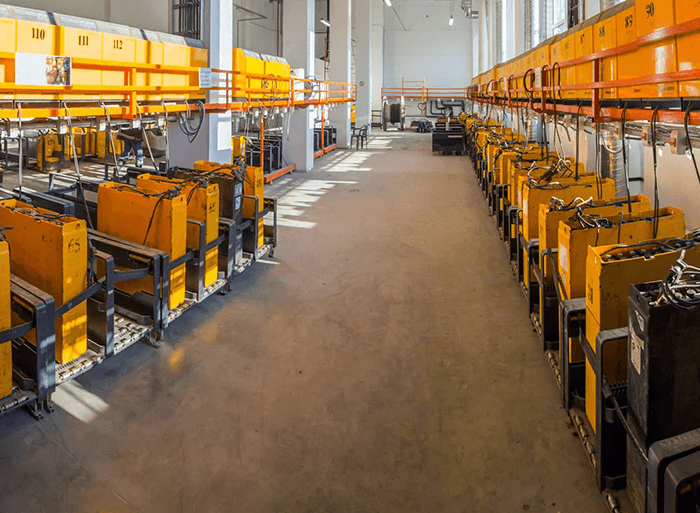
| Battery room requirement | Not required | Ventilated charging area required |
In summary, lithium ion batteries reduce daily labor tied to charging and maintenance, extend the usable life of the battery by two to three times, and remove the need for a dedicated battery charging room, which is a relevant saving for facilities running Combilift, Aisle Master, Flexi, Bulmor or Hubtex fleets across multiple shifts.
Choosing the Right Voltage and Capacity for Your Specialty Forklift
Specialty forklift battery voltage is generally set by the manufacturer and truck class, so matching the original specification is the starting point for any lithium upgrade. Combilift C-Series and WR4 trucks typically run on 24V, 48V or 80V systems depending on load capacity, Aisle Master and Flexi articulated forklifts commonly use 24V or 36V packs, and Bulmor and Hubtex sideloaders range from 24V to 48V depending on lift height and load length.
| Truck Type | Representative Brands | Common Voltage Range | Primary Operating Demand |
|---|
| Multi-directional forklift | Combilift, Hubtex | 24V, 48V, 80V | Simultaneous steering and lifting |
| Articulated narrow aisle forklift | Aisle Master, Flexi | 24V, 36V | Compact footprint, frequent turns |
| Sideloader forklift | Bulmor, Hubtex | 24V, 36V, 48V | High current during side loading |
BSLBATT engineers a lithium battery pack for each of these voltage classes with a matching battery management system, so a facility replacing a lead acid unit in a Combilift, Aisle Master, Flexi, Bulmor or Hubtex truck can specify the same voltage and physical footprint while gaining lithium performance.
BSLBATT Lithium Battery Solutions for Combilift, Aisle Master, Flexi, Bulmor and Hubtex Forklifts
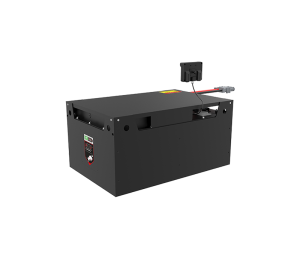
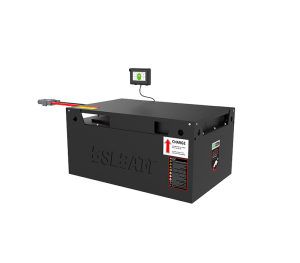
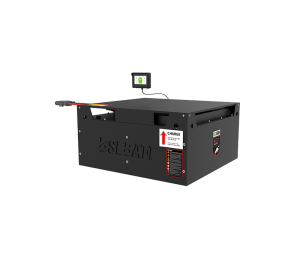
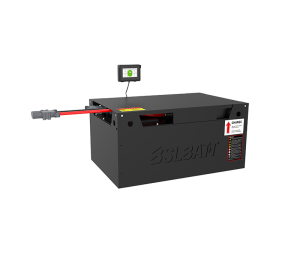
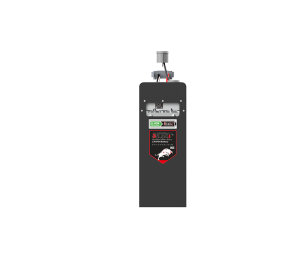
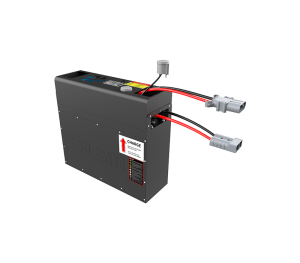
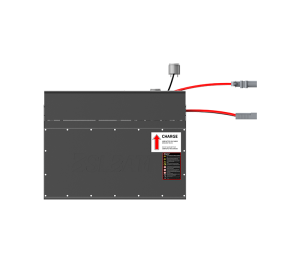
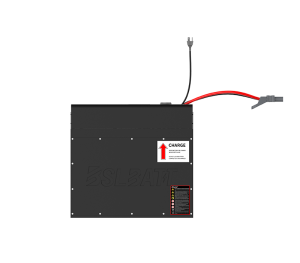
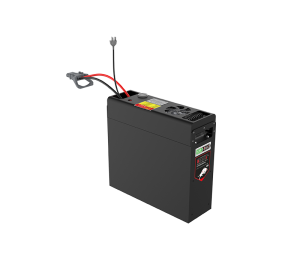
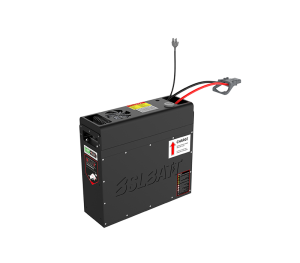
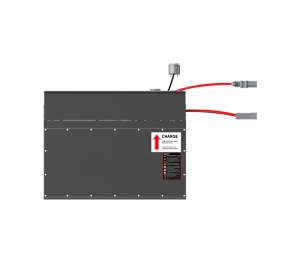
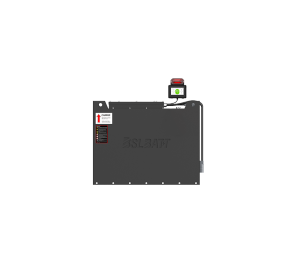
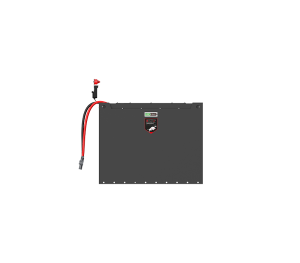
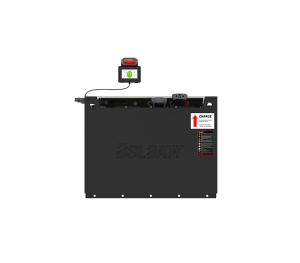
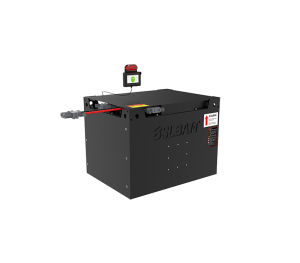
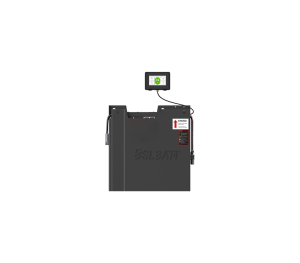
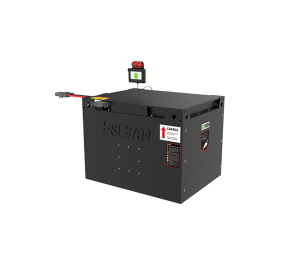
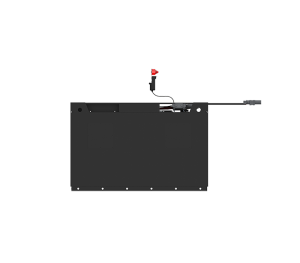
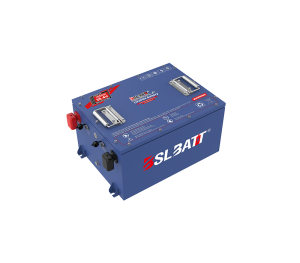
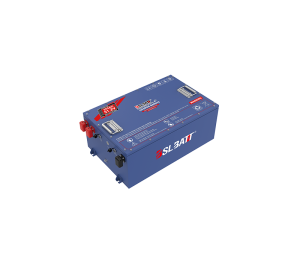
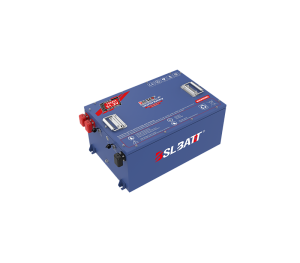
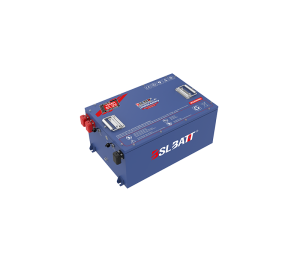
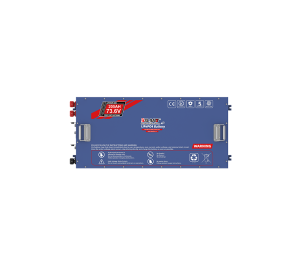
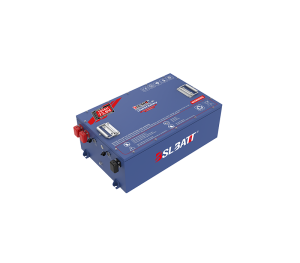
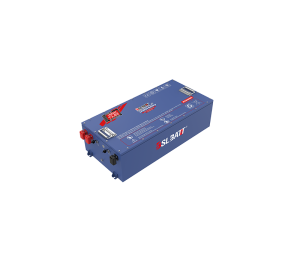
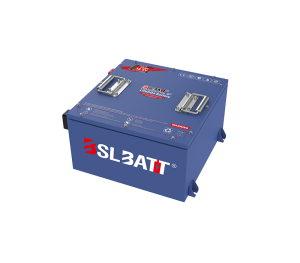
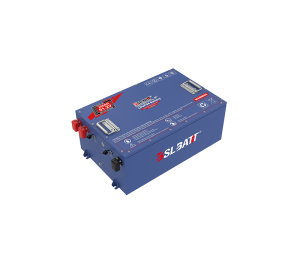
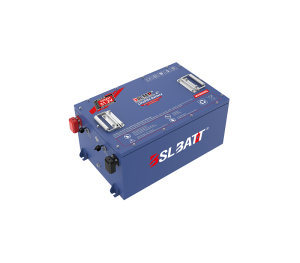
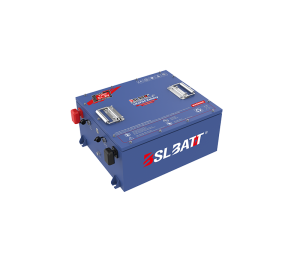
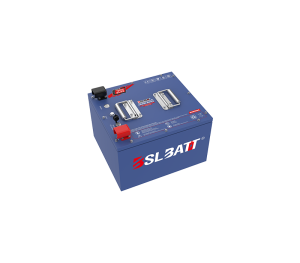
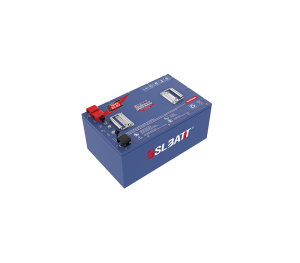
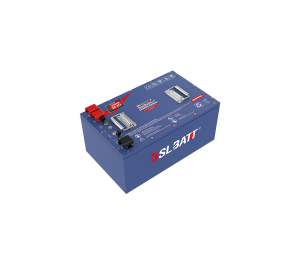
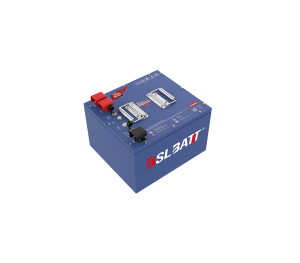
BSLBATT designs lithium iron phosphate batteries specifically for the specialty forklift segment, covering multi-directional, articulated and sideloader configurations from Combilift, Aisle Master, Flexi, Bulmor and Hubtex. Each BSLBATT lithium forklift battery includes an integrated battery management system that monitors cell temperature, voltage and current in real time, which protects the pack during the high-current side loading and multi-directional maneuvering common to these truck types.
A BSLBATT Combilift lithium battery, Aisle Master forklift battery, Flexi forklift battery, Bulmor sideloader battery or Hubtex forklift battery is built to the original compartment dimensions of the truck it replaces, which allows fleet operators to upgrade without modifying the chassis or ballast. Combined with a compatible charger, BSLBATT lithium packs support opportunity charging during breaks, which is particularly useful for multi-directional and sideloader operations that run continuous multi-shift schedules in lumber yards, steel service centers and container terminals.
Frequently Asked Questions
Can a BSLBATT lithium battery replace the factory lead acid battery in a Combilift forklift?
Yes. BSLBATT builds lithium battery packs to the same voltage and compartment dimensions as the factory lead acid unit in Combilift C-Series and WR4 multi-directional forklifts, so no chassis modification is required.
Do Aisle Master and Flexi articulated forklifts need a special lithium battery design?
Aisle Master and Flexi articulated forklifts operate in narrow compartments, so BSLBATT builds compact lithium packs matched to the factory footprint while providing comparable or greater runtime through higher energy density.
How does a lithium battery help a Bulmor or Hubtex sideloader handle long loads?
A lithium battery maintains voltage above 90 percent through most of the discharge cycle, which keeps hydraulic lift and side-shift speed consistent during the high current draw of side loading, unlike lead acid batteries that decline steadily as they discharge.
What voltage does a BSLBATT lithium forklift battery come in?
BSLBATT produces lithium batteries in 24V, 36V, 48V and 80V configurations to match Combilift, Aisle Master, Flexi, Bulmor and Hubtex specialty forklift models.
The figures above reflect general industry benchmarks for lithium versus lead acid performance. Fleet operators should confirm exact voltage, capacity and compartment dimensions with BSLBATT before ordering a replacement battery for a specific Combilift, Aisle Master, Flexi, Bulmor or Hubtex forklift model.


 Explore all product lines








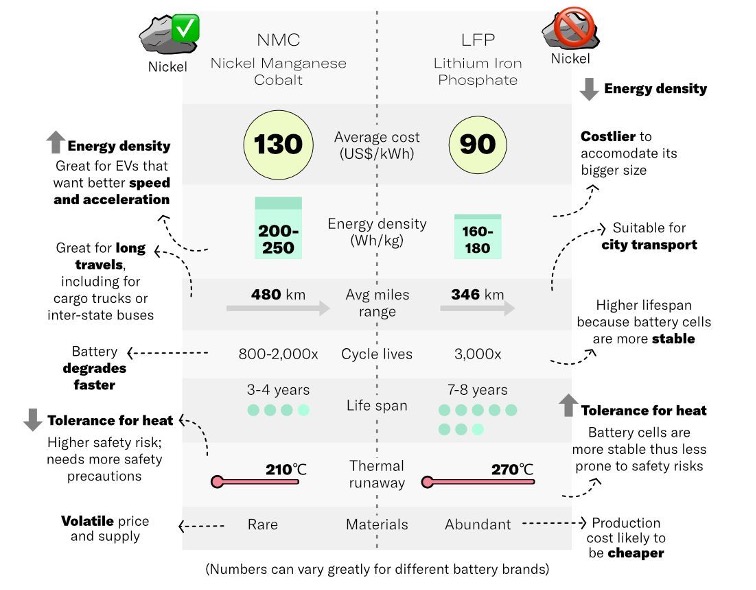
![[verified] LFP Lithium Batteries Live Longer than NMC](https://www.bslsys.com/wp-content/uploads/7694358b0bce9160.jpg)