Revolutionize the energy economy with advanced lithium-ion battery technology—lower costs, reduce heat, and accelerate sustainable development.
 Explore all product lines
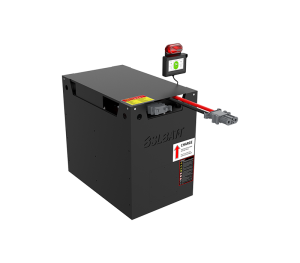
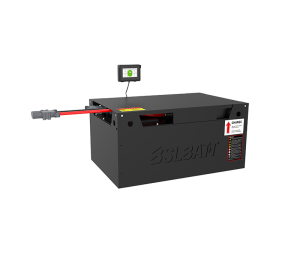
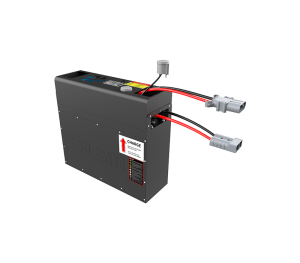
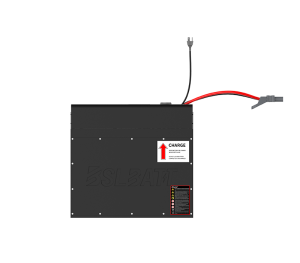
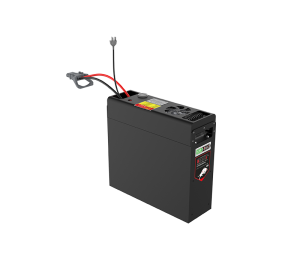
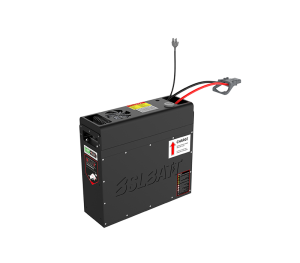
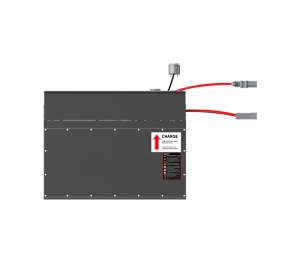
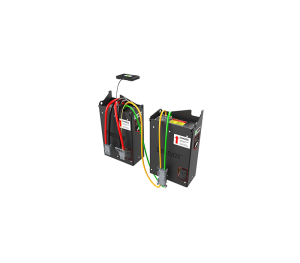
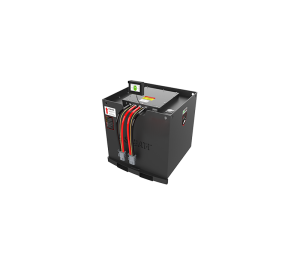
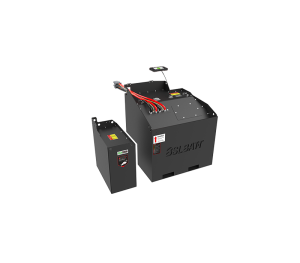
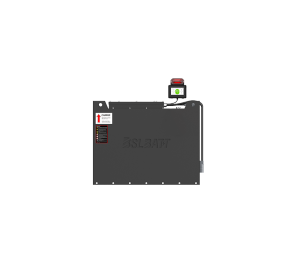
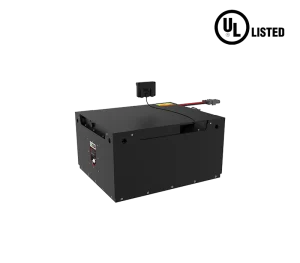
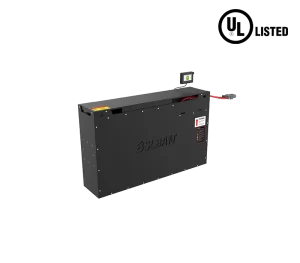
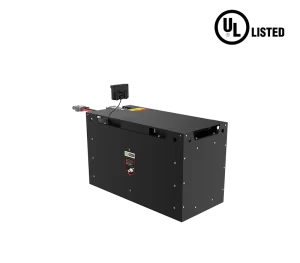
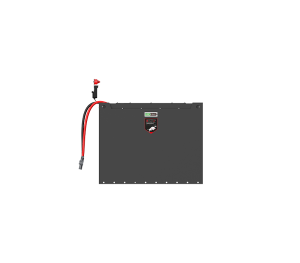
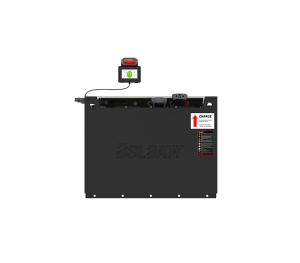
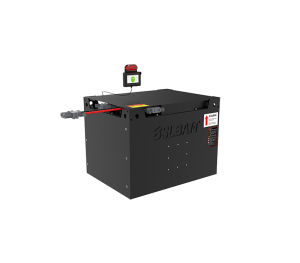
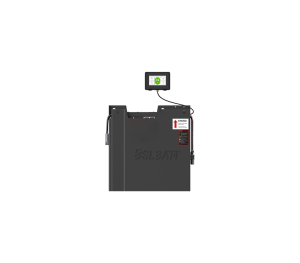
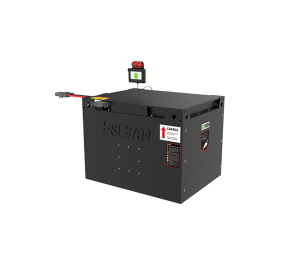
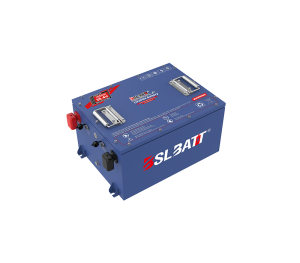
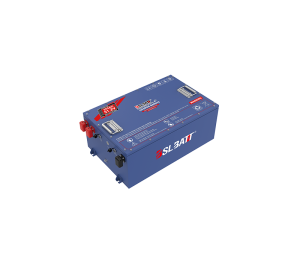
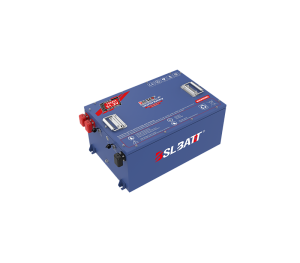
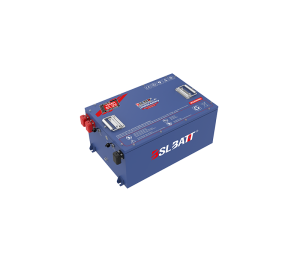
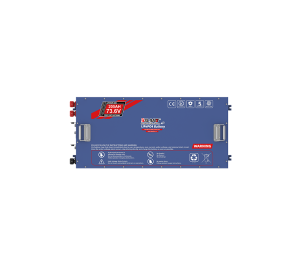
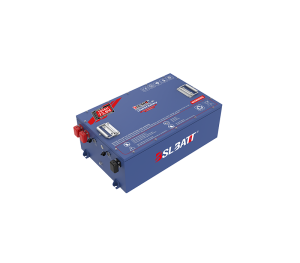
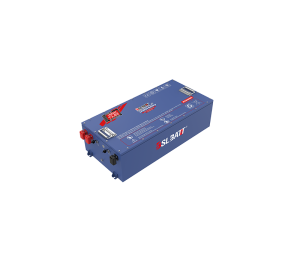
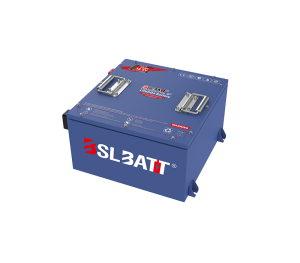
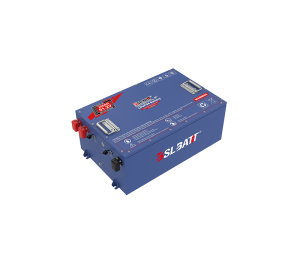
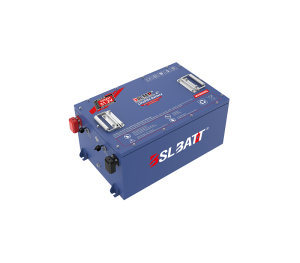
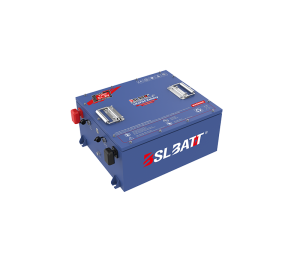
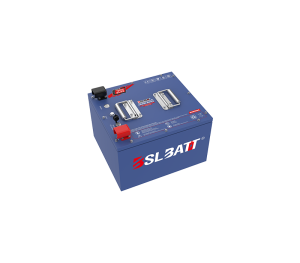
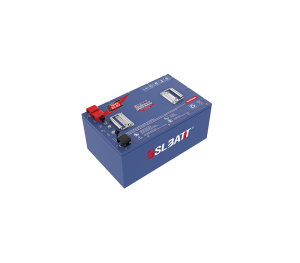
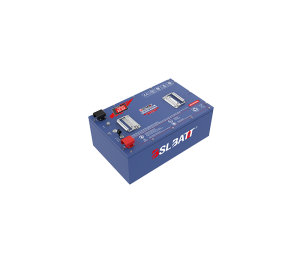
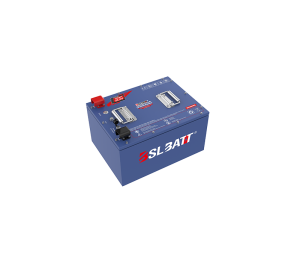
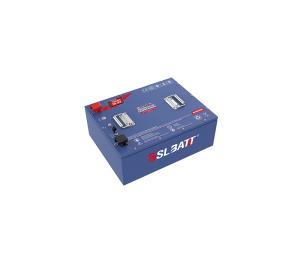
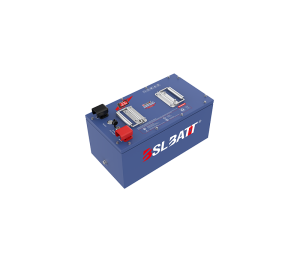
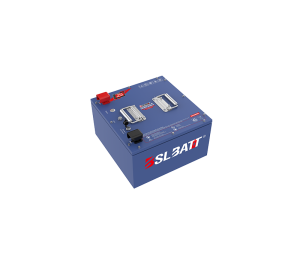
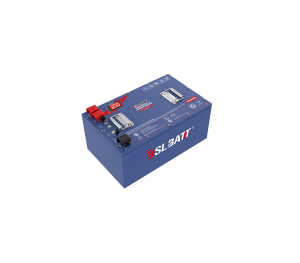
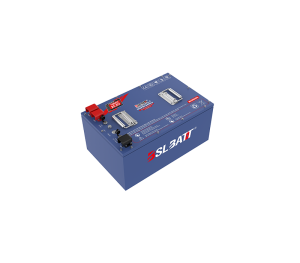
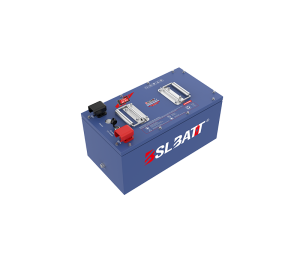
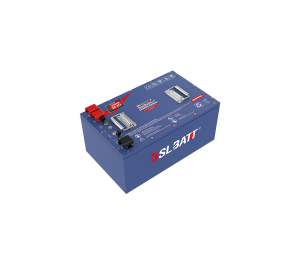
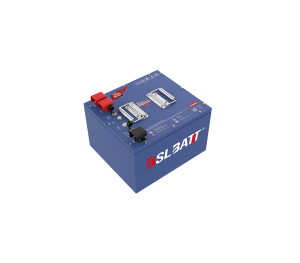
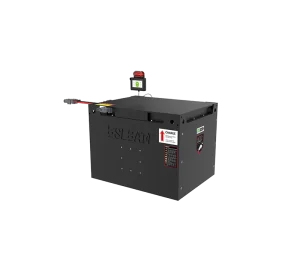
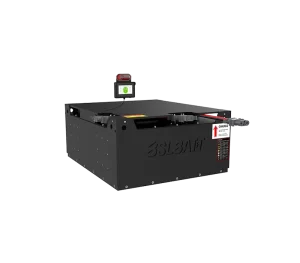


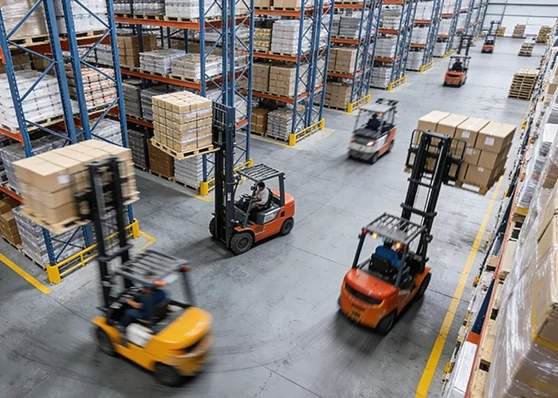






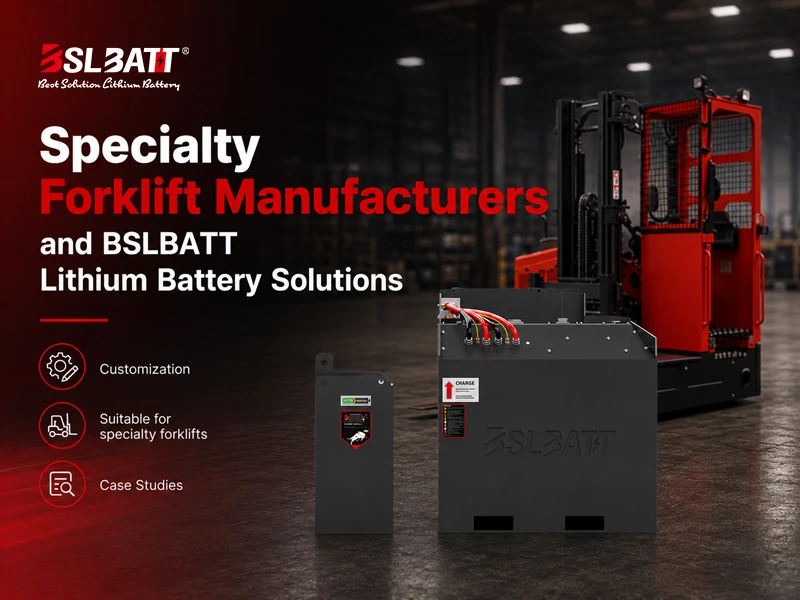
- Specialty Forklift Manufacturers and BSLBATT Lithium Battery Solutions
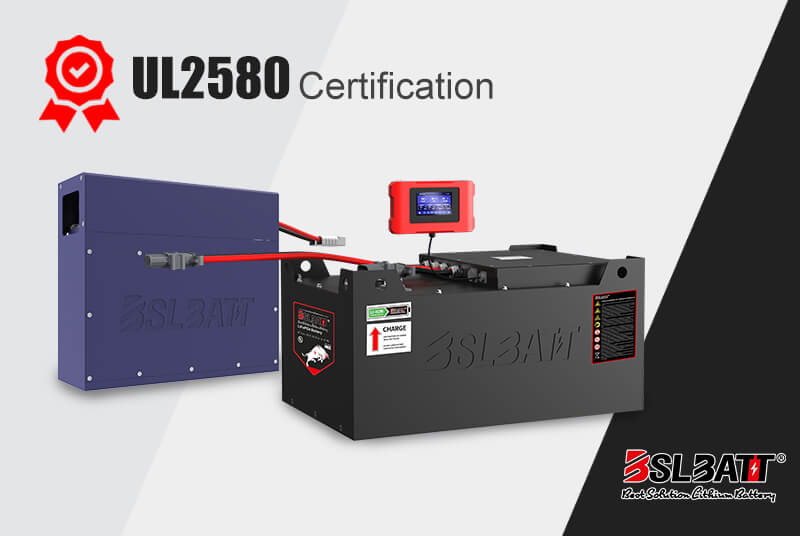
- The first lithium forklift battery that is UL 2580 certified and ISO9001 certified in the industry is BSLBATT® Battery – Industrial
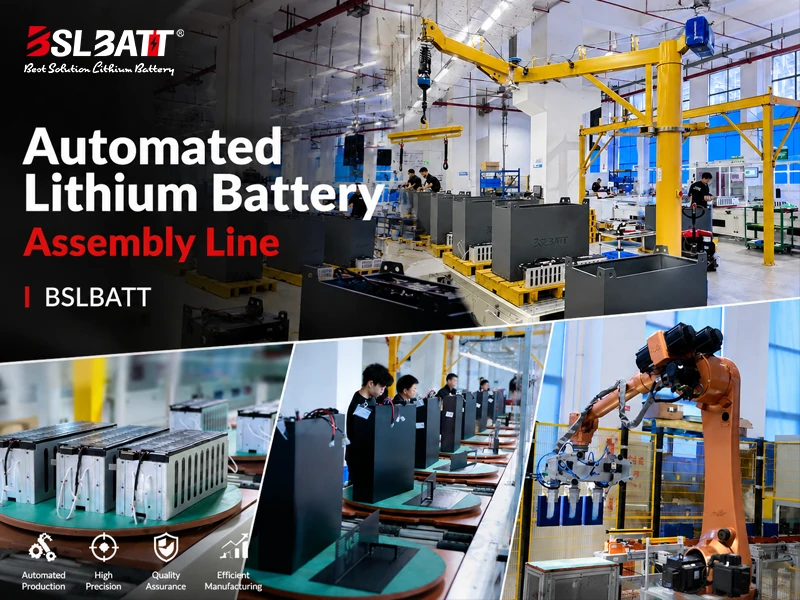
- Automated Lithium Battery Assembly Line | BSLBATT Smart Factory
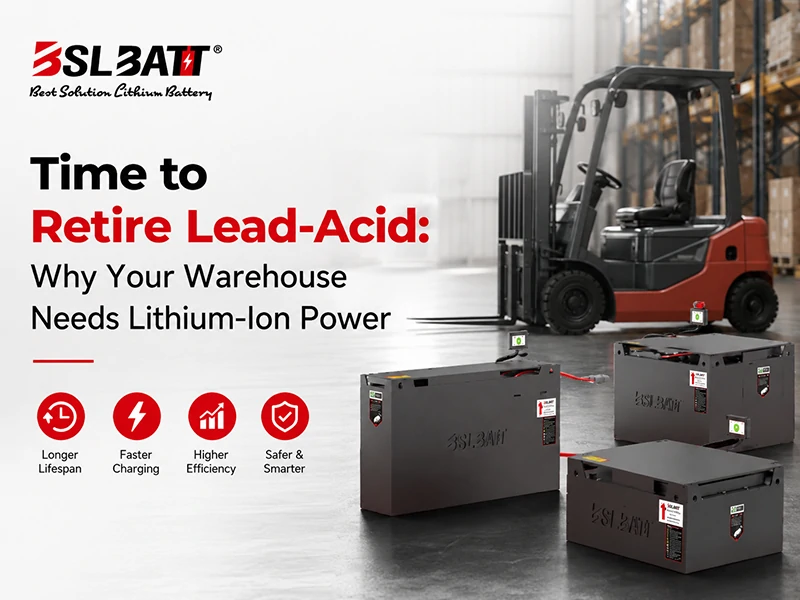
- Time to Retire Lead-Acid: Why Your Warehouse Needs Lithium-Ion Power
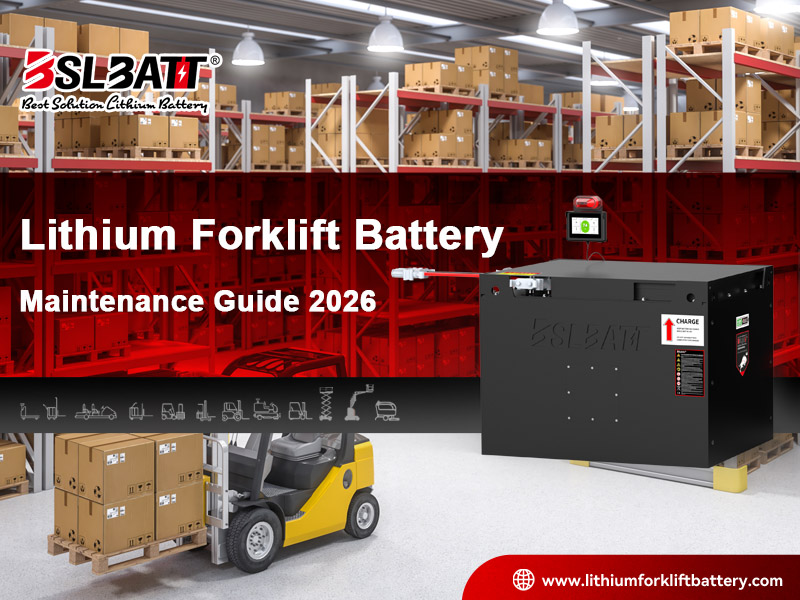
- Lithium Forklift Battery Maintenance Guide 2026
- Industrial Lithium Batteries: Initial Price vs. Long-Term Costs
Featured
Why lithium batteries are particularly important in electric forklifts?
Table of contents
Though the material handling industry continues to see lithium-ion batteries as a greener solution to their lead-acid predecessors, switching to this battery technology can also add a little greener to your bottom line in the form of dollars.
Unfortunately, it can sometimes be difficult to grasp how a technology that requires a larger upfront investment can actually result in cost savings over time.
“There’s a lot of interest and misunderstanding when it comes to lithium-ion technology,” says Bella Chen, vice president sales, marketing, dealer development at BSLBATT Lithium EMEA. “Customers are seeking facts. There’s also cynicism in new alternative fuels because of the past offerings that never lived up to their hep. Lithium-ion batteries bring new life to our industry as they really reduce operating costs with maintenance-free batteries.”
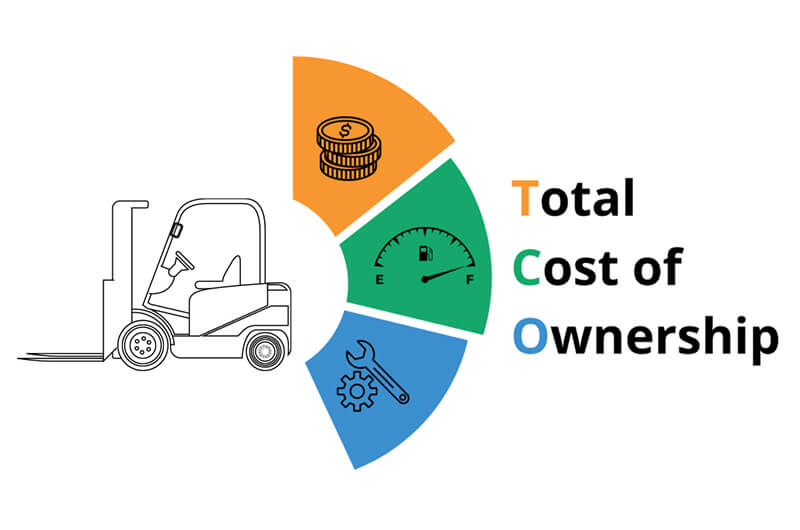
And therein lies the crux of it: don’t judge a lithium-ion battery by its acquisition cost. Calculating the true cost requires a much more complex algorithm.
When it comes to the electric lift truck, the biggest trend is the rapid growth of lift trucks powered by lithium-ion (Li-ion) batteries. Not only do analysts predict strong growth for Li-ion powered units, lift truck OEMs are coming up with more models designed to take advantage of Li-ion characteristics, such as energy density and a small form factor and fast charging that makes Li-ion well suited to opportunity charging.
According to analyst firm Interact Analysis, by 2028 Li-ion will be the power for a majority of electric lift trucks sold, and across all power plant types will be 47.3% of the market, up from 16.2% in 2020. Interact also predicts that by 2028 in the Class 3 market, globally 75% will be Li-ion battery forklifts, with many of these in the Chinese market. The analyst firm notes that while Li-ion power does carry a higher initial price point, growth will be spurred by advantages such as superior energy density, cycle life, efficiency, low maintenance and shorter charging.
Multiple lift truck providers have introduced electric lift trucks designed for Li-ion. Generally, these designs feature a reworked cab layout to take advantage of additional room from a smaller battery pack, and have made other changes for enhanced visibility, ergonomics and stability given the different battery size and how that impacts balance.
While it’s possible to run many conventional electric lift trucks on a Li-ion battery, it’s best to check with the lift truck OEM or dealer to ensure that change doesn’t negatively impact the stability or safety of the vehicle, says Jenna Reed, product marketing manager of emerging technologies for Mitsubishi Logisnext Americas. User organizations also have increasing choices when it comes to lift truck models designed for Li-ion, she adds.
“Much like we’ve seen in the consumer electronics space, as products move away from big, bulkier batteries to lighter, smaller and energy dense lithium-ion, the design of these products change, too,” Reed says. “Because lithium-ion batteries are not constrained to any particular shape, forklifts will no longer need to be designed around a battery box. This opens the door to new truck designs and possibilities.”
For example, Li-ion models such as Jungheinrich ETV216i creates more space in the operator cab for better operator ergonomics and visibility, while also making the vehicle compact and stable. Some Li-ion trucks also feature regenerative braking to further enhance energy efficiency.
According to Damon Hosmer, project manager – energy solutions with the Raymond Corp., this is a calculation more material handlers are doing.
“The market adaption during the past seven to eight months has been unprecedented,” he says, noting that his company is getting daily inquiries from countries internationally. “It’s the new normal with the e-comm boom.”
Hosmer says that the cost of lithium-ion batteries really includes a variety of areas beyond upfront cost, though that remains a driving factor.
“It’s really twice the cost or twice the life,” he says, noting that Raymond Corp focuses on the chemistry of its batteries to ensure top performance, which remains one of three key factors for customers trying to decide if an investment in lithium-ion batteries is in their future.
“The first is battery life and performance,” he says. “Companies are looking at maximizing their facilities – they’re getting taller – and they are really starting to look at life and performance along with the cost of the battery.”
“The efficiencies of lithium that we emphasize are roughly 20 percent more up-time for your truck with faster charging and eliminating battery swaps,” says Haley Ning, chief marketing officer for BSLBATT Lithium. “Lithium-ion batteries reduce electrical costs due to a better charger efficiency, say 97 percent vs. roughly 75-80 percent for lead-acid. That is at least a 15 percent reduction in your electrical expenses allocated to battery charging.
Secondly, Hosmer says safety has actually become a factor, particularly with the changes that have occurred with COVID-19. Procurement across the board now includes risk mitigation, and companies are looking for solutions that reduce operator risk to harmful situations as well as human error.
“Finally, we take our customers through a cost justification exercise so they can really see their return on investment over time,” he says. “When we are able to fire up a real valuation, they can see that lithium-ion batteries can provide a significant amount of value over time.”
Haley agrees.
“We start off with a power study to make sure the customer will benefit from lithium-ion batteries in their selected application, as lithium-ion is not a panacea solution for all applications,” he says. “The output of that power study is fed into our ROI calculator, where we compute and explain the CAPEX/OPEX efficiencies that they will experience.”
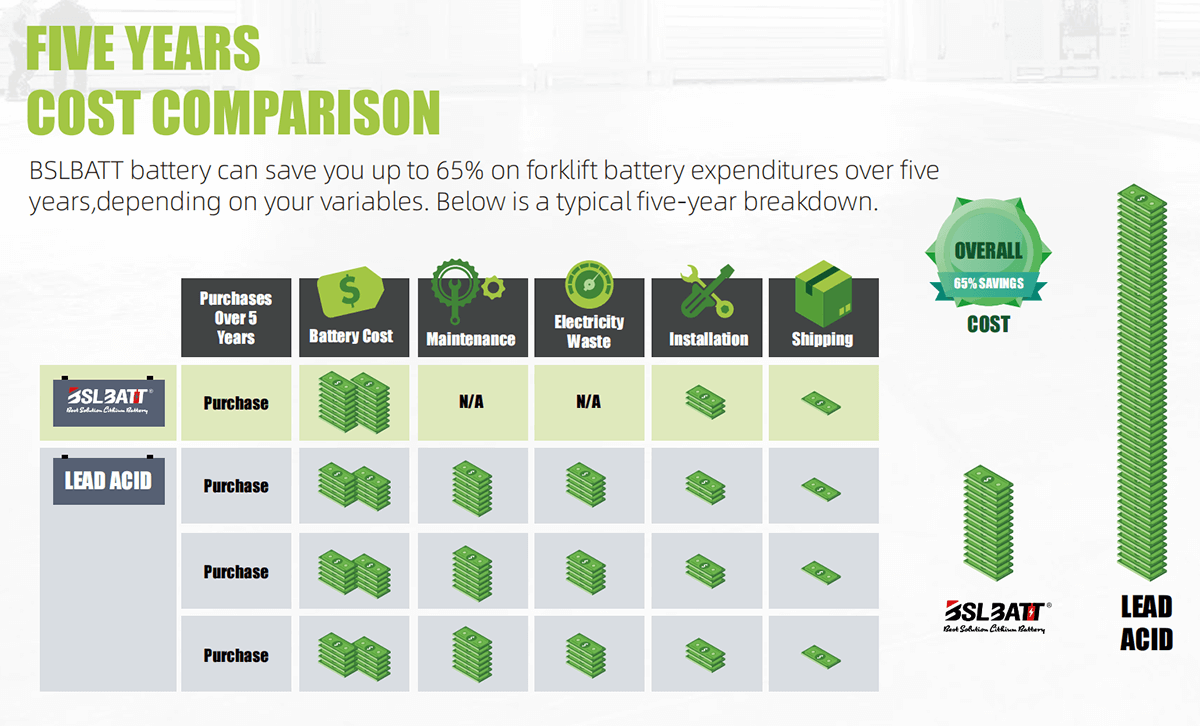
Haley adds that over a three-year period, the CAPEX outlay for lead-acid and lithium-ion is the same, except that you will need to make a larger CAPEX investment upfront with lithium-ion. In return for that up-front investment, Haley says lithium-ion really knocks down the OPEX expenses, such as truck downtime for battery swaps, electrical power costs, and motor maintenance expenses, along with supporting a green or zero-emission initiative.
New innovation fuels the marketplace
The return customers are seeing when calculating the potential ROI on lithium-iron batteries will only continue to improve. Many manufacturers and suppliers are focused on not only improving quality but also performance.
“Some of the most important actions any fleet owner can take to maximize energy efficiency is to maintain and service their equipment regularly,” Haley says. “Regardless of the energy source placed in a forklift, proper equipment care is essential.”